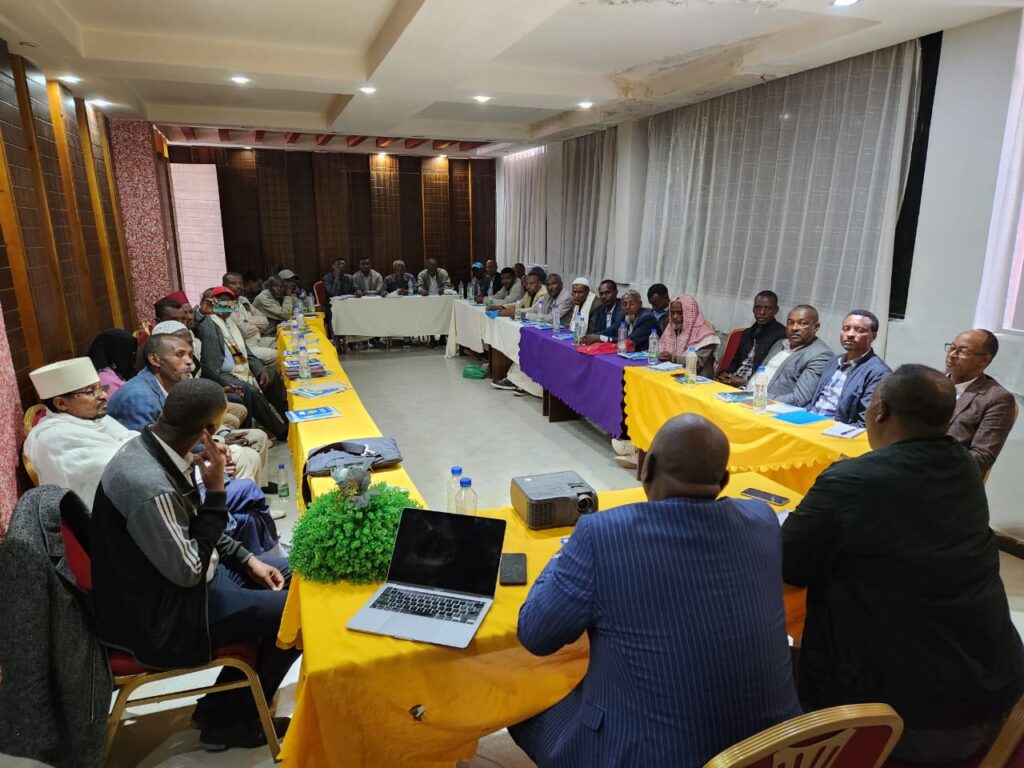
The IRCE “Local Peace Committees”
Peace Building and Peace Making: The IRCE Local Peace Committees: Rooted in the heart of each village, these committees form a patchwork of reconciliation and harmony. They address local challenges head-on, mediating disputes, fostering dialogue between diverse groups, and implementing peacebuilding initiatives tailored to their communities’ specific needs. Their dedication ensures that even the remotest corners of Ethiopia feel the embrace of peace.
Conflict Management and Transformation: The IRCE Local Peace Committees: Through proactive outreach and communication, these committees identify potential sources of tension and address them before they boil over. They provide safe spaces for dialogue and empower local communities to manage their own conflicts constructively, transforming potential clashes into opportunities for growth and understanding.
Preserving Religious Ethics and Moral Values: The IRCE Local Peace Committees: Grounded in local customs and traditions, these committees leverage the ethical and moral underpinnings of their communities to foster peace. They draw upon shared values to encourage cooperation and mutual respect, creating a tapestry of peace woven with the threads of faith and shared humanity.
- The IRCE Local Peace Committees are at the forefront of promoting social cohesion, peace, and reconciliation across their respective local environments. These dedicated groups bring together religious leaders and community members to address local challenges and build a more harmonious future.
Sharing Lessons and Building Bridges: A vital part of the committee’s work is learning from each other’s experiences. In August 2022, seven IRCE Local Peace Committees from diverse districts of Oromia regional State gathered for an experience-sharing workshop. Their reports highlighted successes, challenges, and opportunities for advancing the peacebuilding process.
Examples of their impactful work
- Settling Intrafaith Power Struggles: In Nagale Arsi, a local committee facilitated dialogue to resolve tensions over power-sharing within a religious institution. This peaceful resolution set a positive precedent for future conflicts.
- Religious Harmony through Shared Rules: To reduce noise-related tensions, the committees advocated for responsible use of loudspeakers, limiting their use to main prayer days outside of religious compounds.
- Reconciliation in Dodola: Following a local conflict, the IRCE and Dodola Peace Committee organized a crucial dialogue forum in November 2022. Participants delved into the conflict’s root causes and developed a roadmap for reconciliation, emphasizing collaboration, peaceful coexistence, and mutual respect.
Broadening the Impact
- National Press Conference: To amplify their message, the committees held a press conference in November 2022, focusing on inter-religious tolerance and peaceful coexistence. This brought their efforts to the national spotlight.
- Reaching Rural Communities: Recognizing the crucial role of women in peacebuilding, the theological material, “The Role of Women in Peace Building,” was translated into Afan Oromo and distributed in rural areas.
Empowering Peace Role Models: The committees also empower religious leaders to be active agents of peace. Through dialogue and training, they raise awareness about religious leaders’ role as peace models, advocate for peacebuilding, and equip them with conflict transformation skills to promote peaceful coexistence within their communities.
Looking Ahead: The IRCE Local Peace Committees demonstrate the transformative power of collaboration and religious harmony. By sharing experiences, facilitating dialogue, and empowering local leaders, they are building a more peaceful and inclusive Ethiopia, one community at a time.
Expanding the Reach: Building Local Peace Across Ethiopia
The IRCE Local Peace Committees are not just a local initiative; they represent a growing network of dedicated groups working tirelessly to promote social cohesion, peace, and reconciliation across Ethiopia. Their roots extend far beyond a single region, reaching diverse communities in:
- Oromia Regional State: West Arsi Zone Districts: Dodola, Adaba, Kofele, Kokosa, Nansebo, and Negele Arsi, Negele Arsi City Administration, and Shashamane District and City Administration.
- Sidama Regional State: Cheri and Bansa.
- South Ethiopia Regional State: Warabe Zone.
- Amhara Regional State: Three zones: Central Gonder, North Gonder, and Gonder City Administration.
Building Peace Together: This impressive expansion is not solely the work of IRCE. In their journey, they have received invaluable support from partners like:
- Centre for Humanitarian Dialogue (hd)
- The Stirling Foundation
- Norwegian Church Aid (NCA)
These partnerships have been instrumental in providing crucial resources and capacity building for the local committees, empowering them to effectively address local challenges and build sustainable peace within their communities.
Promoting Peaceful Dialogue and Coexistence in West Arsi, Ethiopia
This report summarizes the achievements of the “Promoting Culture of Peaceful Dialogue, Religious Tolerance, and Peaceful Coexistence Project” implemented by the Inter-Religious Council of Ethiopia (IRCE) between November 2021 and March 2022. The project, funded by the “hd| Centre for Humanitarian Dialogue,” aimed to strengthen peaceful coexistence, dialogue culture, and diversity management in Ethiopia’s West Arsi region.Key Objectives:
i. Strengthen solidarity: Enhance collaboration among peace actors, including religious leaders, elders, youth, and government officials.
ii. Empower communities: Bolster cultural and community-based approaches to conflict prevention, resolution, and peacebuilding.
Activities and Results:
- Teambuilding and Orientation: This activity aimed to equip the established peace committees with the knowledge and skills to fulfill their roles effectively. The committees identified action points and developed an action plan, further solidifying their commitment to peacebuilding efforts.
- Dialogue Forum: Titled “Resolving Conflict in Peaceful Dialogue and Strengthening Peaceful Coexistence,” this forum brought together 86 participants (71 men, 15 women) representing diverse groups. They shared their perspectives and recommendations on strengthening coexistence and peacebuilding. This led to the establishment of three peace committees in three administrative areas.
Impact: This project successfully fostered collaboration and empowered communities in West Arsi to address conflict peacefully.The established peace committees represent a crucial step towards sustained peacebuilding in the region.
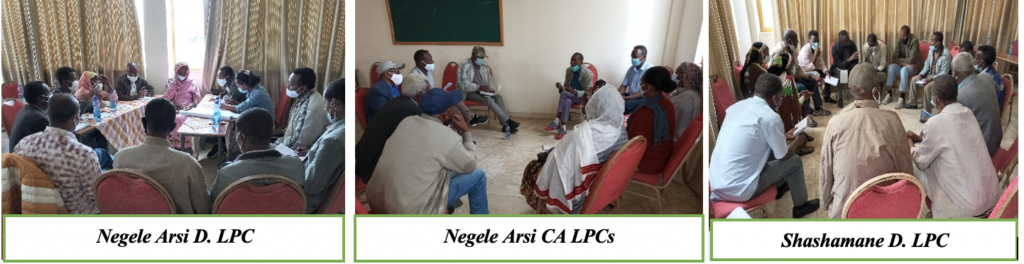
Building Peace in West Arsi: Empowering Local Committees through Dialogue and Recognition
This is to highlight the achievements of the “Promoting Culture of Peaceful Dialogue, Religious Tolerance, and Peaceful Coexistence Project” implemented by the Inter-Religious Council of Ethiopia (IRCE) between July 1, 2021, and October 30, 2021. Funded by the “hd| Centre for Humanitarian Dialogue,” the project aimed to solidify peaceful coexistence, dialogue culture, and diversity management in Ethiopia’s West Arsi region.
Key Objectives:
- Strengthen collaboration: Foster unity and cooperation among diverse community members, including religious leaders, elders, youth, and government officials, to promote effective peacebuilding.
- Empower communities: Cultivate a culture of peaceful dialogue within diverse communities to prevent and resolve conflicts constructively.
Activities and Results:
- Formalizing Peace Committees: To ensure their sustainability and impact, Memorandums of Understanding (MoUs) were signed between IRCE local chapters and local government/institutions, officially recognizing and strengthening existing peace committees within West Arsi Zone. This formalized collaboration empowers committees to act with greater authority and legitimacy.
- Building Committee Capacity: Recognizing the importance of equipped peace committees, training sessions were conducted on “Early Warning/Early Response (EW/ER) in peacebuilding processes.” This training equipped committee members with crucial skills to identify and proactively address potential conflicts before they escalate.Additionally, committees collaboratively identified key activities for implementing an EW/ER action plan,demonstrating their commitment to proactive peacebuilding efforts.
Impact: This project successfully laid the groundwork for long-term peacebuilding in West Arsi. Recognizing and empowering local peace committees fostered inter-group dialogue and equipped them with the tools and knowledge to address potential conflicts peacefully. This empowers communities to take ownership of their peacebuilding journey.
Sidama and Oromia regional States border Districts Local Peace Committees
Capacity Building Training for Local Peace Committees
Thanks to the support of the Stirling Foundation, IRCE successfully established Local Peace Committees (LPCs) in border districts across Oromia and Sidama Regions. Recognizing the committees’ crucial role, IRCE’s strategic partner, the Stirling Foundation, generously funded a capacity-building training program on Conflict Early Warning and Early Response (CEWER). Here’s a summary of the program’s implementation:
Participants: Four Local Peace Committees (Bensa, Cheri, Kokosa, and Nansebo) from Oromia and Sidama Regions.Dates: November 22-24, 2023 Topic: Conflict Early Warning and Early Response
Key Activities:
- Opening Remarks: Representatives from both regions emphasized shifting from blaming ethnic groups for conflicts and adopting an indigenous approach to peacebuilding.
- Presentations: Local Peace Committees shared their conflict intervention strategies and identified major issues in their districts, including:
- Land Conflicts: Illegal land use, land acquisition issues.
- Security Concerns: Theft, illegal weapons trade, misuse of social media, misuse of firearms.
- Social Issues: Homicides, ethnic and religious tensions.
- Discussions: Collaboration with regional and district government bodies focused on:
- Strengthening Local Peace Committees: Ensuring active participation, clear roles, and support mechanisms.
- Addressing Conflict Issues: Developing targeted intervention strategies for each district.
- Building Sustainable Peace: Emphasizing the importance of community engagement and collaboration.
Outcomes:
- Increased awareness and knowledge of conflict early warning and early response techniques.
- Improved collaboration and communication between Local Peace Committees, government bodies, and community stakeholders.
- Identification of key conflict issues in each participating district.
- Development of recommendations for targeted interventions and sustainable peacebuilding efforts.
Recommendations:
- Establish clear roles and responsibilities for community elders, religious institutions, and Local Peace Committees.
- Create joint platforms for promoting peacebuilding initiatives.
- Ensure consistent engagement and support from district government structures.
- Implement targeted interventions based on identified conflict issues in each district.